
Saturday, May 29, 2021


Friday, May 28, 2021

Thursday, May 27, 2021

Tuesday, May 25, 2021

Monday, May 24, 2021

Sunday, May 23, 2021

Saturday, May 22, 2021

Friday, May 21, 2021

Wednesday, May 19, 2021

Tuesday, May 18, 2021

Sunday, May 16, 2021

Saturday, May 15, 2021

Friday, May 14, 2021

Thursday, May 13, 2021

Wednesday, May 12, 2021

Tuesday, May 11, 2021

Sunday, May 9, 2021


Saturday, May 8, 2021

Friday, May 7, 2021

Thursday, May 6, 2021

Tuesday, May 4, 2021

Monday, May 3, 2021

Saturday, May 1, 2021

Friday, April 30, 2021


Thursday, April 29, 2021

Wednesday, April 28, 2021

Tuesday, April 27, 2021

Monday, April 26, 2021

Saturday, April 24, 2021

Friday, April 23, 2021


Tuesday, April 20, 2021

Sunday, April 18, 2021
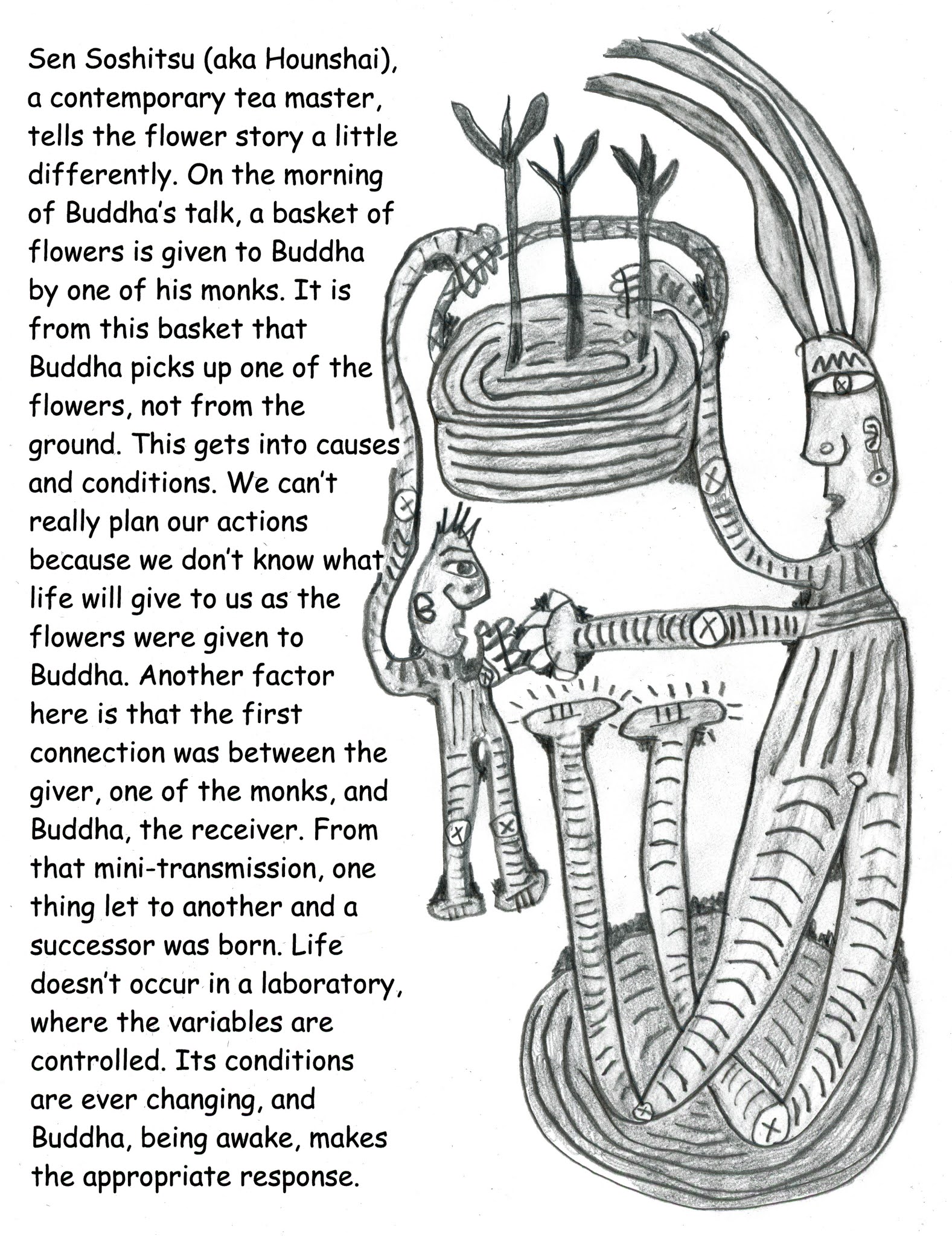

Friday, April 16, 2021

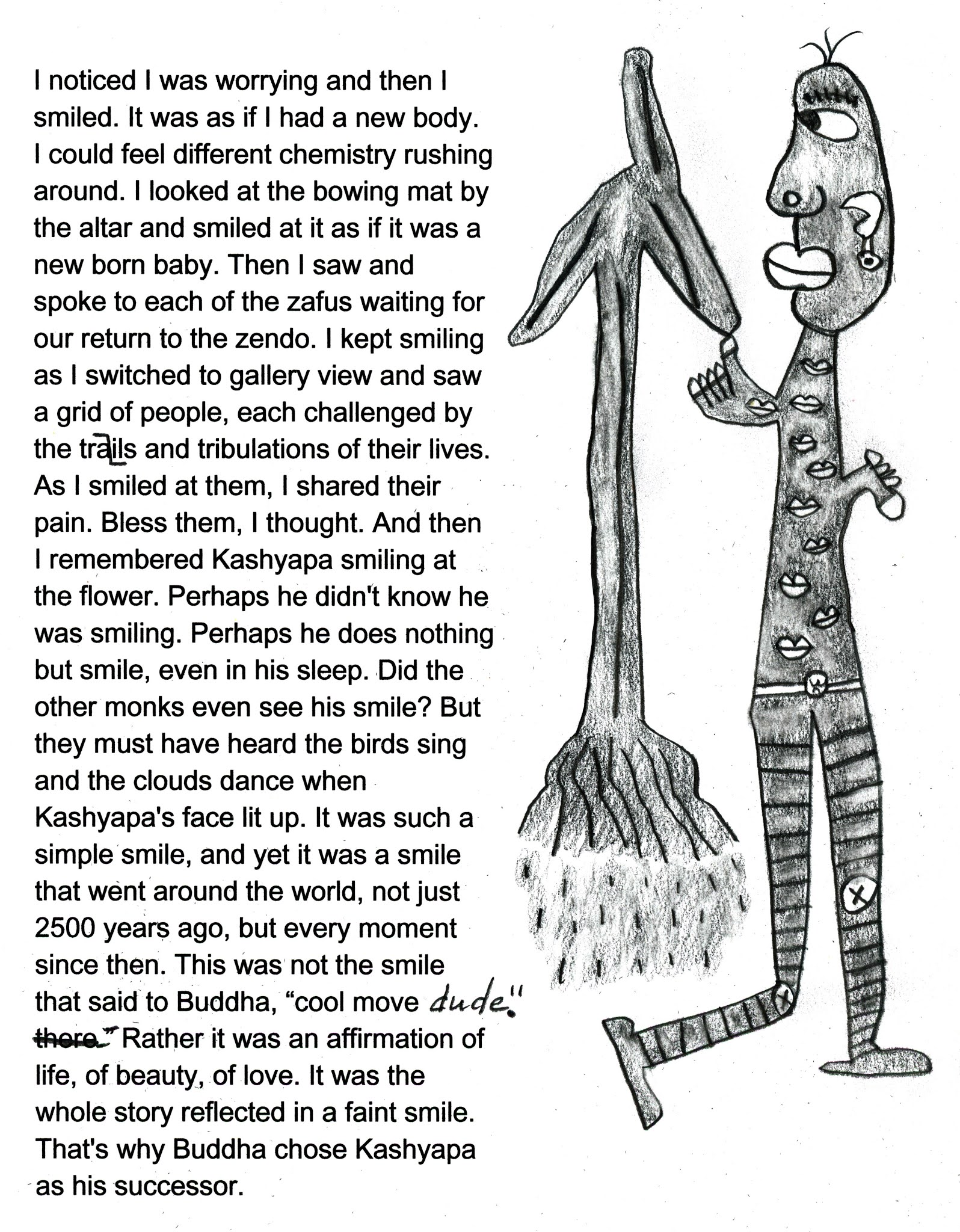
Wednesday, April 14, 2021

Monday, April 12, 2021

Saturday, April 10, 2021
Whoa!

I make so many assumptions. If another monk instead of Kashyapa had smiled, would he have become Buddha’s successor? If Kashyapa had done something besides a faint smile would he still have become Buddha’s successor? I’ve heard that there is a book that explains all the koans. Yet, I’ve been also told that if you gave the “answer” to a teacher they would know that you didn’t get it yet. It seems the way I contend with situations is by making a vast array of assumptions. Suppose I add nothing to what I know: that Buddha picked up a flower and that Kashyapa smiled. Because these events were sequential I believe one caused the other. Even that may be a story. Whoa!
Friday, April 9, 2021

Thursday, April 8, 2021

Wednesday, April 7, 2021

Tuesday, April 6, 2021

Thursday, April 1, 2021

Wednesday, March 31, 2021

Tuesday, March 30, 2021
Bike Story

Monday, March 29, 2021
Did the flower smile? (blog.kimmosley.com)

What do you say when there is nothing to say. A tragedy strikes your friend when her loved one passes on. Whatever you want to say won’t bring them back and won’t comfort. And yet if you say nothing you worry that they’ll think you didn’t care. You bring them a flower. Your eyes meet. Then they glance at the flower and you discern a faint smile. Did they smile at the flower? Or was it a smile at your gesture? Or was it simply a smile at the connection? Did Kashyapa really smile at the flower? The flower didn’t need a smile. But your friend did. Perhaps the smile was a meta smile, from millions of miles away, a smile recognizing what would take more words than the sands of the Ganges to express.
Saturday, March 27, 2021

Subscribe to:
Posts (Atom)


-
 Some have asked how to post a comment on a blog. The secret is to click on the word "comments" which is circled in red above. ...
-
I heard these sentiments in some recent health care discussions: •Everyone has the right to healthcare. •America is way behind other countri...
-
Kate asked if sounding like Karl Marx is good or bad. I've been thinking about that. And Mr. Obama will be talking tonight about how he ...